
How To Choose 220v Single Phase To 3 Phase Transformer?
-
220v single phase to 3 phase transformer for industrial power conversion, motor stability, load management and efficient factory.
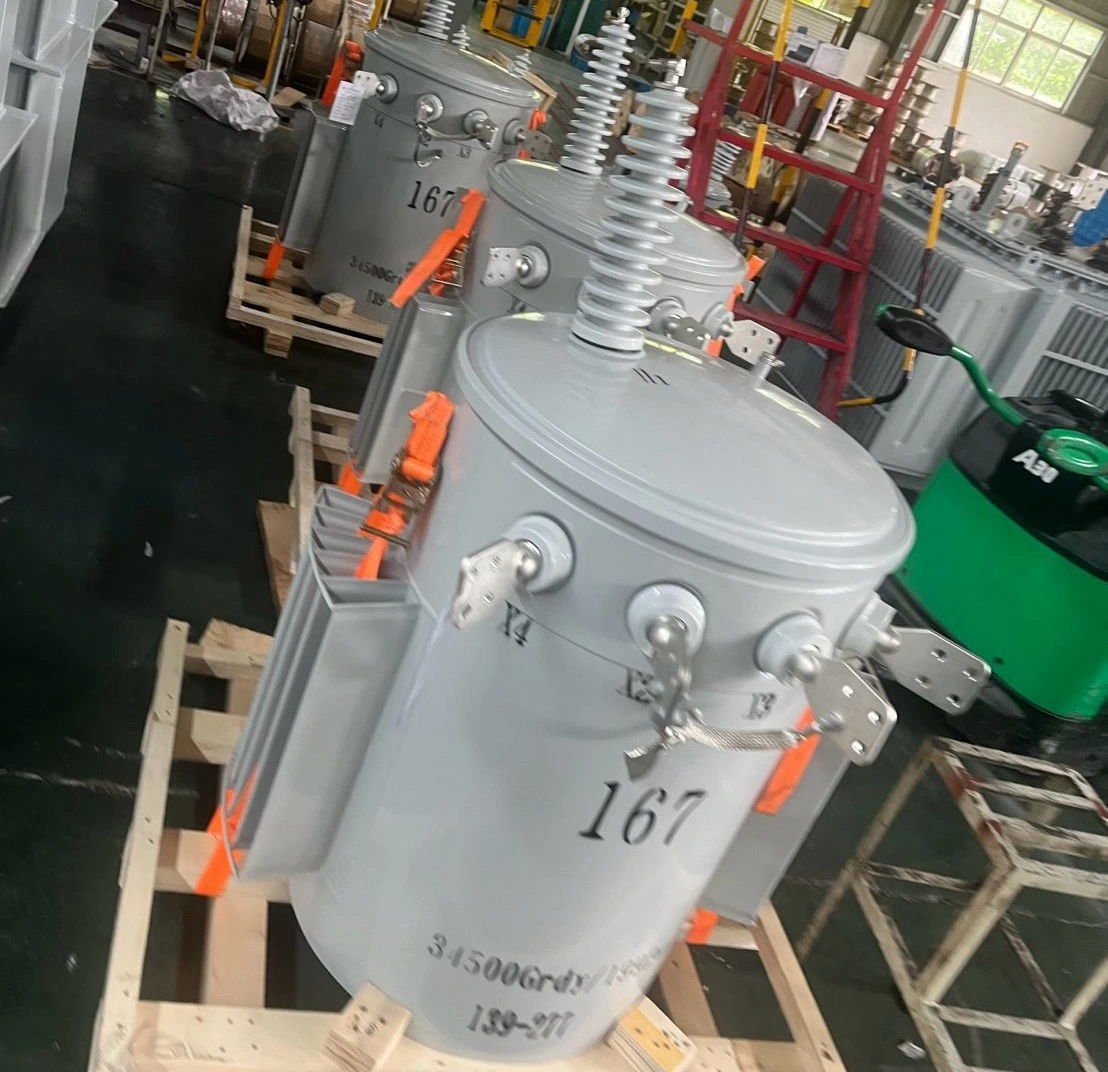
Modern factories rely on stable electrical conversion to maintain production efficiency. The 220v single phase to 3 phase transformer is widely used where three phase supply is unavailable. Many industrial machines require balanced torque for stable operation. Motors and compressors depend on consistent voltage delivery. This system helps reduce downtime caused by unstable power input. It also supports automation equipment in continuous operation environments. Engineers focus on load stability and electrical safety during selection. Small factories often adopt this solution to avoid costly grid upgrades. It improves production flexibility and reduces infrastructure dependency. Proper use ensures smooth machine coordination and stable energy flow across industrial systems.
Technical Selection Criteria for Industrial Systems
Electrical selection requires precise evaluation of operating conditions and load characteristics. The system must match motor type, startup current, and duty cycle requirements. Stable voltage conversion ensures reliable industrial performance. Engineers also consider installation space and maintenance accessibility. Equipment compatibility reduces operational failure risks. Energy efficiency plays an important role in long term cost control. Proper selection avoids overheating and voltage imbalance issues. Industrial planners ensure that power demand is accurately calculated before deployment. This improves system reliability and supports scalable factory expansion without major electrical redesign.
Load Capacity and System Reliability of 220v single phase to 3 phase transformer
Accurate load calculation is essential for stable industrial operation. The 220v single phase to 3 phase transformer must support both running and startup loads. Engineers analyze total equipment demand before selection. Sudden load spikes may affect system stability. Proper sizing ensures balanced energy distribution under peak conditions. Oversized units increase cost, while undersized systems create overheating risks. Load distribution prevents phase imbalance across machines. Safety margins improve operational reliability. Many factories operate multiple machines simultaneously, requiring stable power support. This ensures continuous production efficiency and reduces maintenance frequency.
Phase Conversion Mechanism and Electrical Principles
Electrical conversion is based on electromagnetic induction and controlled circuit design. The system converts single phase input into three phase output for industrial use. Copper windings generate magnetic fields inside the core structure. Energy transfer occurs through controlled induction processes. Large-scale systems are sometimes compared with 35 kv oil-immersed transformer used in high voltage distribution networks. Proper core design improves energy efficiency and reduces losses. Stable phase output ensures smooth motor operation and reduces vibration. Engineers monitor temperature and load conditions during operation. Efficient conversion improves system reliability and supports continuous industrial production environments.
Electrical Parameters and System Optimization
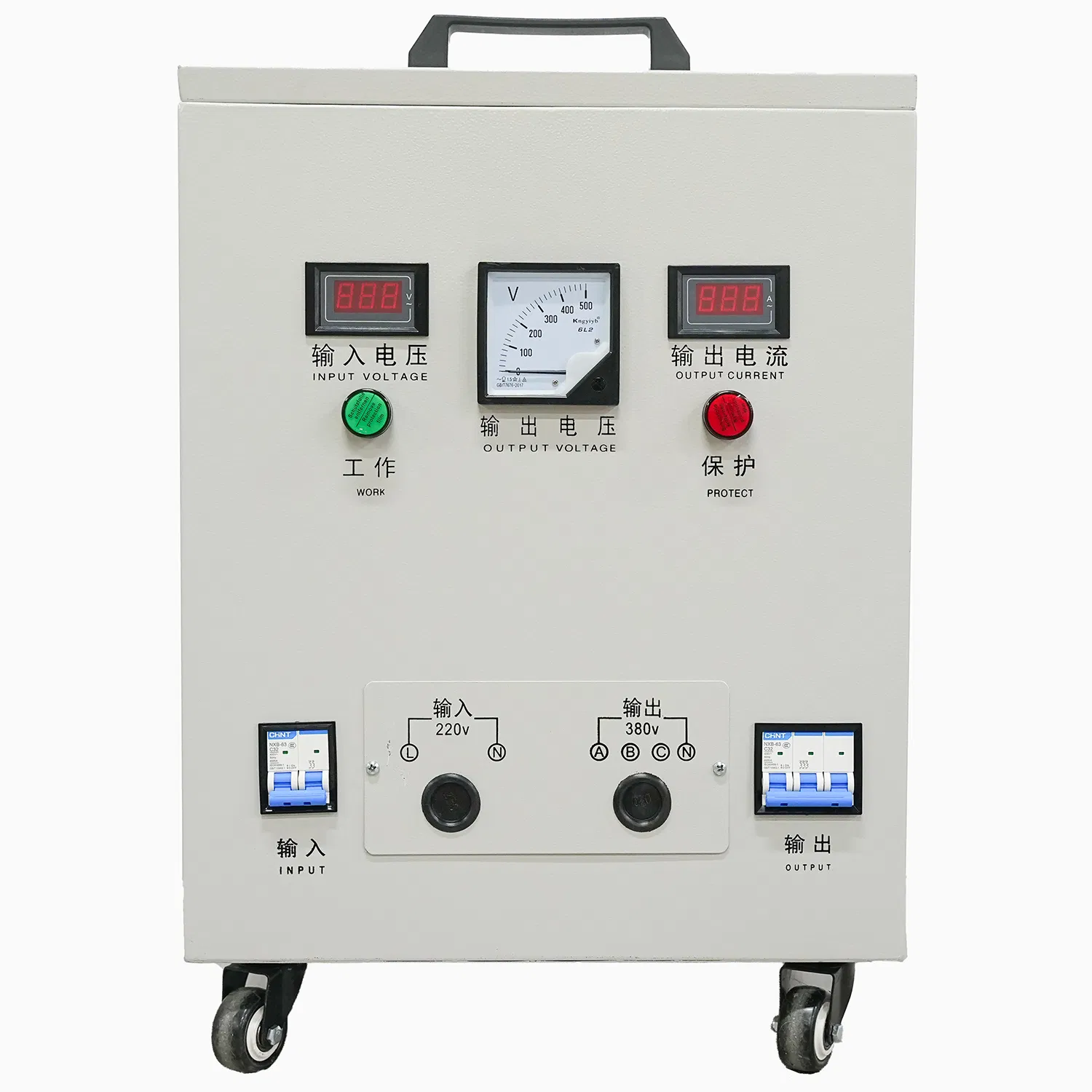
Performance depends on accurate electrical parameter selection. Voltage, current, insulation, and frequency must be properly matched. Stable output ensures consistent motor operation under variable load conditions. Poor parameter selection increases energy loss and heat generation. System efficiency depends on correct engineering design. Grounding systems improve operational safety. Thermal limits protect internal components during long operation cycles. Proper configuration ensures long term system stability in industrial environments.
- Voltage tolerance range
- Rated current capacity
- Insulation class rating
- Frequency compatibility
| Parameter | Standard Range | Impact |
|---|---|---|
| Voltage | ±10% | Motor stability |
| Current | 80–120% | Load handling |
| Insulation | F / H | Heat resistance |
| Frequency | 50/60 Hz | Synchronization |
These parameters ensure stable operation and long term system reliability in industrial applications.
Energy Efficiency and Voltage Quality Control
Energy efficiency plays a major role in industrial cost control. The system improves power utilization when correctly configured. Stable voltage reduces motor stress and improves performance consistency. Energy loss is minimized through optimized design. In medium voltage systems, a 10 kv oil-immersed transformer is commonly used for distribution networks. Proper harmonic control improves power quality. Stable output supports continuous production processes. Efficient systems reduce electricity consumption and extend equipment lifespan. This improves overall industrial productivity and operational stability.
Material Structure and Core Design
Material quality directly affects system durability and performance. The 220v single phase to 3 phase transformer uses silicon steel cores for magnetic efficiency. Copper windings improve conductivity and reduce resistance. Core lamination design reduces energy loss. High quality insulation materials improve thermal safety. Structural precision reduces vibration and noise.
Engineers test magnetic performance to ensure consistency. Durable materials extend service life in industrial environments. Proper manufacturing improves energy transfer efficiency and system reliability.
Safety Standards and Compliance Requirements
Industrial equipment must follow strict safety regulations. IEC standards ensure safe electrical design and installation. Grounding systems prevent electrical hazards. Overload protection ensures operational safety. Insulation testing verifies dielectric strength. Thermal monitoring prevents overheating during continuous use. Proper enclosure design improves operator safety. Regular inspection reduces system failure risks. Compliance increases operational reliability and industrial trust. Maintenance planning ensures long term stability. Digital monitoring improves fault detection and response efficiency.
Installation Environment and Cooling Design
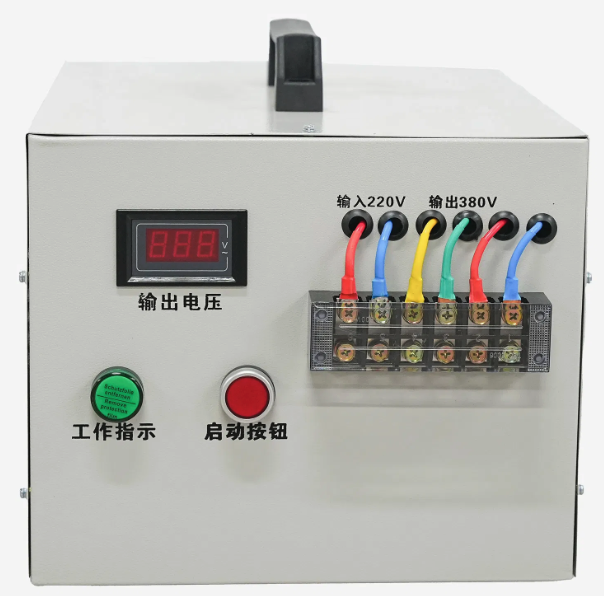
Installation conditions strongly affect performance and lifespan. Proper ventilation prevents overheating during continuous operation. Stable environment ensures reliable performance. Cooling systems may use natural or forced air circulation. Humidity control protects insulation materials. Vibration reduction improves mechanical stability. Cable layout reduces electromagnetic interference. Strong foundation design ensures long term reliability. Proper installation improves system efficiency and safety in industrial environments.
Cost Efficiency and Lifecycle Management
Cost control is essential in industrial planning. Initial investment depends on capacity and material quality. The system provides cost advantages over grid expansion. Maintenance cost affects long term budgeting. Energy efficiency reduces operational expenses. Lifecycle planning ensures predictable replacement cycles. Proper maintenance reduces downtime risks. Spare parts availability ensures service continuity. Digital tracking improves asset management. Financial planning improves industrial competitiveness and sustainability.
| Cost Factor | Impact | Level |
|---|---|---|
| Investment | Capacity & design | High |
| Maintenance | Service frequency | Medium |
| Energy | Efficiency | High |
| Downtime | Production loss | Critical |
Common Selection Errors and Applications of 220v single phase to 3 phase transformer
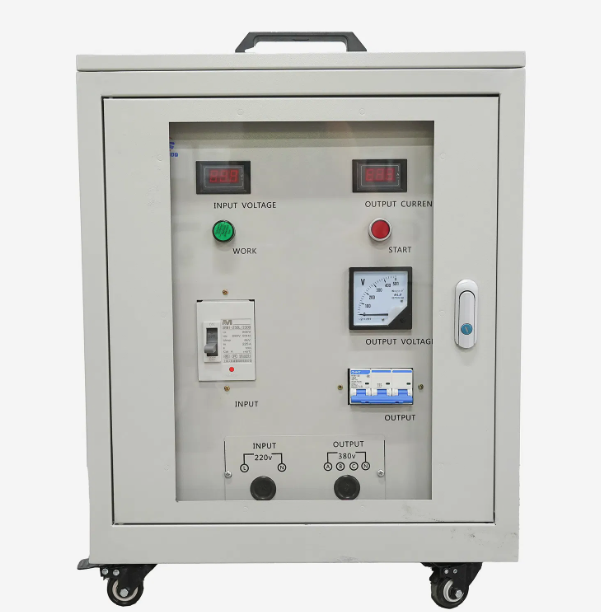
Incorrect sizing is a common issue in industrial systems. The system must match actual load requirements. Ignoring startup current leads to instability. Poor installation reduces efficiency and safety. Accurate calculation improves reliability. Industrial applications include CNC machines, compressors, and conveyors. Proper selection improves system performance and reduces maintenance needs. This ensures stable industrial operation across production environments.
FAQ
What is the main function of a phase conversion transformer?
It converts single phase power into three phase output for industrial use. This allows machines designed for three phase systems to operate in areas without such supply.