
How Do You Size 480v Single Phase Transformer For Your Load?
-
480v single phase transformer sizing for industrial load planning, efficiency control, and safe capacity selection in power systems.
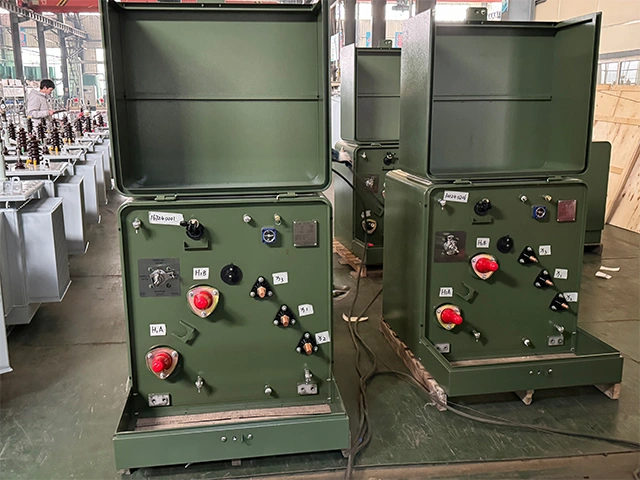
The 480v single phase transformer is widely used in industrial distribution systems, and correct sizing ensures stable voltage and reliable equipment operation within demanding environments. Industrial facilities depend on accurate load matching to avoid unexpected failures and production interruptions. Electrical planners evaluate both continuous and peak demand conditions to maintain system stability under real operating stress. A properly sized unit improves efficiency and reduces thermal stress across long operational cycles. Engineers also consider future expansion when designing electrical systems to avoid premature upgrades. Stable performance depends on balanced electrical load distribution across connected equipment. Proper selection improves operational safety and ensures consistent output quality across production environments.
Electrical fundamentals of 480v single phase transformer design principles
A 480v single phase transformer operates through electromagnetic induction between primary and secondary windings, enabling controlled voltage conversion while maintaining power balance. Voltage transformation ensures that energy transfer remains efficient while current levels adjust according to connected load requirements. The kVA rating defines the usable capacity of the transformer system and sets safe operating limits under industrial conditions. Core and copper losses influence overall efficiency, and engineers must minimize them through proper design and material selection. Accurate electrical modeling ensures stable long-term operation even under fluctuating demand. System designers evaluate load behavior under different operating scenarios to prevent instability. Proper design prevents overheating and voltage irregularities in industrial applications.
Load calculation method for 480v single phase transformer systems
Load calculation begins with identifying all connected equipment and their individual power ratings to establish total demand. This total load is then converted into kVA for accurate transformer sizing using standard electrical formulas. Power factor correction plays a significant role in improving calculation accuracy and system efficiency. Motor-driven systems require careful evaluation of startup currents, which can significantly exceed normal operating levels. Load variation directly affects transformer selection decisions and must be carefully analyzed. In large infrastructure networks, a 66 kv oil-immersed power transformer is often used at higher distribution stages before voltage is stepped down for industrial use. Engineers must ensure compatibility between upstream and downstream systems. Accurate load profiling prevents overload conditions and improves system efficiency.
Step-by-step guide to correctly size 480v single phase transformer units
Sizing begins by summing the total connected electrical load across all equipment in the system. This value is then converted into kVA using standard conversion formulas based on power factor. Safety margins are added to ensure the transformer can handle unexpected demand spikes without failure. A 480v single phase transformer should always operate below its maximum rated capacity to ensure long-term reliability. Thermal limits must be considered during capacity selection to avoid overheating under continuous operation. Voltage drop analysis is also necessary to ensure stable performance across downstream equipment. Future load growth must be included in planning to avoid early system upgrades. Proper sizing improves operational stability and extends equipment lifespan significantly.
Common errors in selecting a 480v single phase transformer and how to avoid them
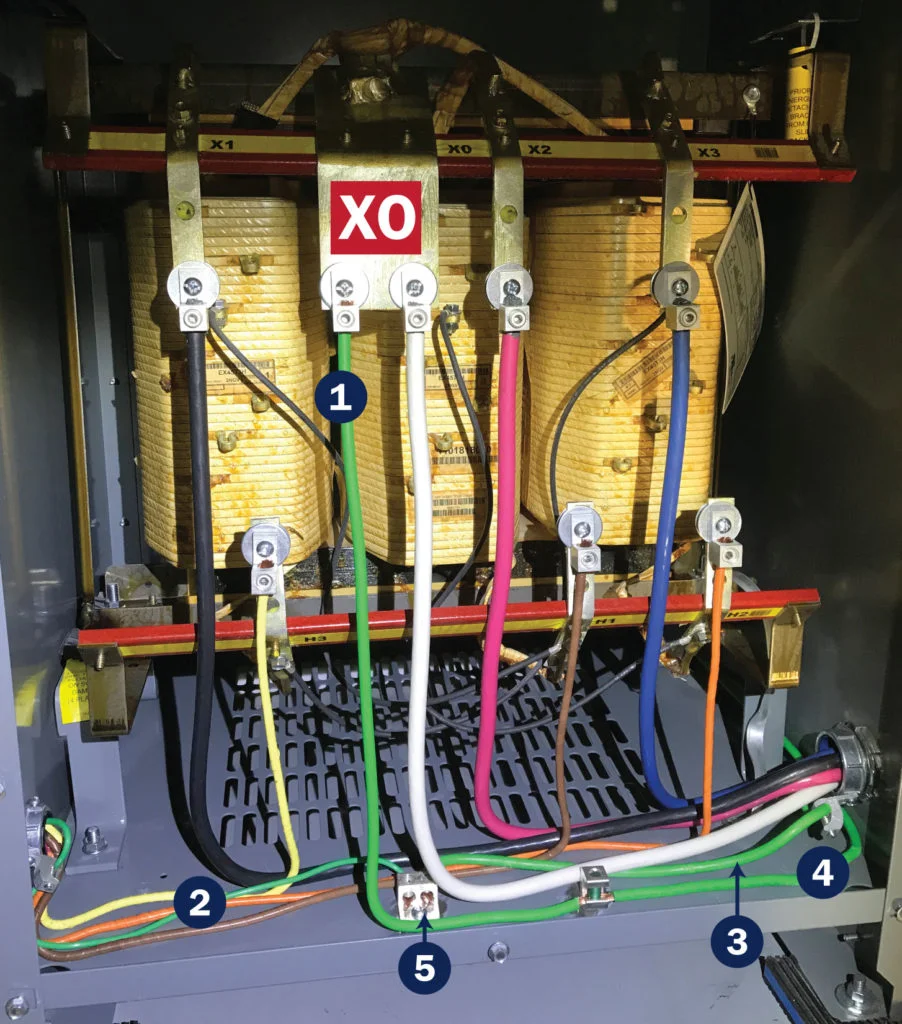
One of the most common mistakes in transformer selection is undersizing, which leads to overheating and premature equipment failure under sustained load conditions. Engineers often ignore startup currents from inductive loads, which also creates serious operational risks and unstable system performance. Incorrect power factor assumptions can distort capacity calculations and lead to inefficient system design. Engineers often overlook environmental conditions such as temperature and ventilation, yet these factors significantly impact thermal performance. Poor cooling design increases internal stress and reduces equipment lifespan. Overloading the system reduces safety margins and increases failure risk. Accurate field data collection helps prevent these design errors and ensures reliable system performance under real operating conditions.
Efficiency, heat management, and safety factors in 480v single phase transformer operation
Heat management is essential for maintaining transformer efficiency and ensuring long-term operational stability under industrial conditions. Excess temperature directly reduces insulation lifespan and increases the risk of system failure. A 480v single phase transformer must operate within defined thermal limits to maintain safe performance levels. Cooling methods include natural air circulation and forced ventilation systems depending on load requirements. Core losses contribute significantly to heat generation and must be minimized through proper material selection and design optimization. In high voltage networks, a 110 kv oil-immersed power transformer is typically used at upstream distribution stages before voltage reduction for industrial applications. Proper insulation design improves electrical safety and system durability. Regular monitoring ensures stable long-term operation.
| Load Type | Characteristics | Recommended Margin |
|---|---|---|
| Resistive Load | Stable and continuous consumption | 10–15% |
| Inductive Load | High startup current demand | 20–30% |
| Mixed Industrial Load | Variable operating demand | 25–35% |
Thermal balance directly impacts transformer reliability and operational lifespan in industrial environments. Proper heat dissipation improves efficiency and reduces long-term maintenance requirements.
Key industrial factors influencing 480v single phase transformer selection
Load type significantly affects transformer sizing decisions because different equipment exhibits different power consumption patterns. Duty cycle determines how long equipment operates under continuous load conditions and influences thermal stress levels. Ambient temperature plays a critical role in cooling efficiency and system stability under industrial environments. Installation conditions also impact ventilation performance and overall safety. Electrical harmonics increase internal losses and must be considered during system design. A second table provides a structured overview of key design parameters used in transformer selection.
| Parameter | Impact on System Design |
|---|---|
| Load Type | Determines required capacity level |
| Duty Cycle | Affects thermal load accumulation |
| Ambient Temperature | Influences cooling performance efficiency |
Proper evaluation of these factors ensures stable and efficient industrial power distribution systems. Engineers must analyze all conditions before finalizing transformer selection.
Industrial application scenarios of 480v single phase transformer systems
The 480v single phase transformer is widely applied in industrial environments where stable voltage is essential for production processes. Manufacturing systems depend on consistent electrical supply to maintain precision and operational efficiency. Automation lines require uninterrupted power delivery to ensure synchronized machine operation. Commercial facilities also rely on transformer systems for stable internal distribution networks. Backup power systems depend on transformer reliability during outages to maintain continuity. Heavy machinery requires controlled voltage levels to ensure safe operation under load stress. Energy distribution networks integrate multiple transformation stages to manage voltage levels efficiently. Proper system design ensures reliable performance across all industrial applications.
System performance optimization in industrial transformer design
Performance optimization focuses on improving efficiency while maintaining safe operational limits under varying load conditions.Load balancing techniques help stabilize electrical distribution and reduce system stress. Advanced insulation materials improve thermal resistance and extend equipment lifespan.
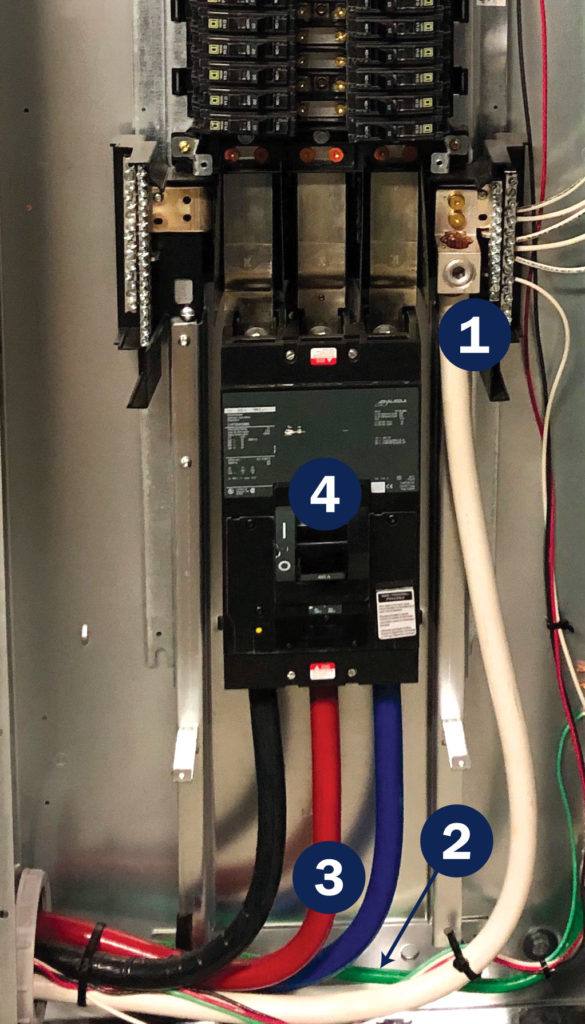
Predictive maintenance systems allow early detection of performance degradation and prevent unexpected failures. Harmonic distortion is reduced through filtering systems that improve electrical quality. Cooling optimization enhances heat dissipation and ensures stable operation under continuous load. Proper installation design improves airflow and ventilation efficiency. These optimization methods significantly enhance long-term industrial performance and operational reliability.
Frequently Asked Questions about transformer sizing
What factors determine correct transformer sizing?
Transformer sizing depends primarily on total connected load and system power factor, which together define the required kVA capacity. Engineers must also evaluate peak demand conditions because industrial systems often experience temporary load surges. Safety margins are included to ensure stable operation under unexpected demand fluctuations. Environmental conditions such as temperature and ventilation also influence thermal performance limits. Accurate data collection is essential for reliable system design and prevents inefficiencies caused by incorrect assumptions. Future expansion requirements must also be considered during planning to avoid early system replacement. Proper engineering analysis ensures stable and efficient power distribution across industrial systems.
How does load variation affect performance?
Load variation directly impacts voltage stability and thermal behavior within transformer systems under industrial operation. Sudden changes in load increase internal electrical stress and may reduce efficiency if not properly managed.Systems must be designed to handle both steady and dynamic load conditions effectively. Uneven loading can reduce overall efficiency and increase heat generation within windings.Proper design minimizes the impact of load fluctuations on system performance.
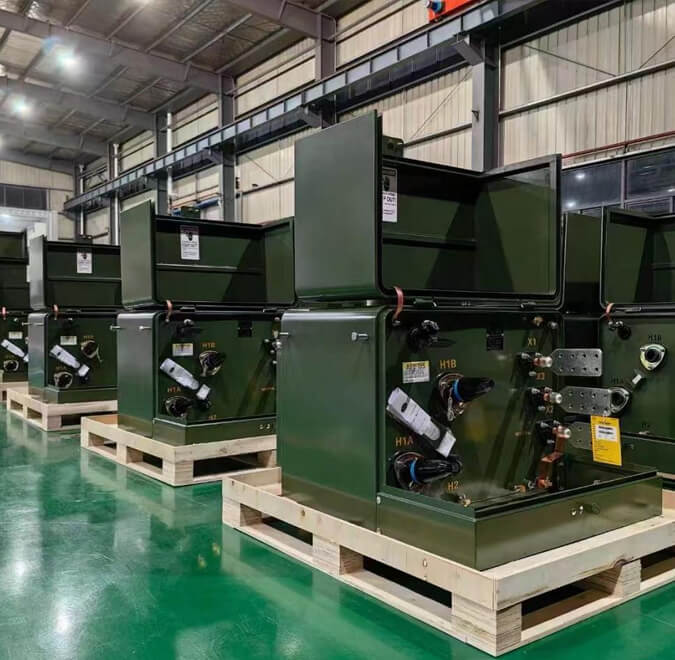
Monitoring systems improve operational control and allow real-time adjustments. Balanced load distribution enhances long-term reliability and stability. Well-designed systems ensure consistent performance even under highly variable industrial conditions.
What safety margin is recommended?
Safety margin selection depends on load type, operating environment, and equipment characteristics within the system design. Industrial applications typically require a buffer range to handle unexpected load surges safely. Inductive equipment often requires higher margins due to high startup current demands. Ambient temperature also affects thermal performance and must be considered during design. Proper safety margin selection prevents overload conditions and improves system reliability. Engineers balance cost efficiency with operational safety when determining final capacity. Accurate planning ensures stable transformer operation under real-world industrial conditions. Correct margin selection is essential for long-term system performance and reliability.