
How To Choose 3 Single Phase Transformer To Make 3 Phase?
-
3 single phase transformer to make 3 phase selection guide covers design, installation, performance and maintenance for efficient.
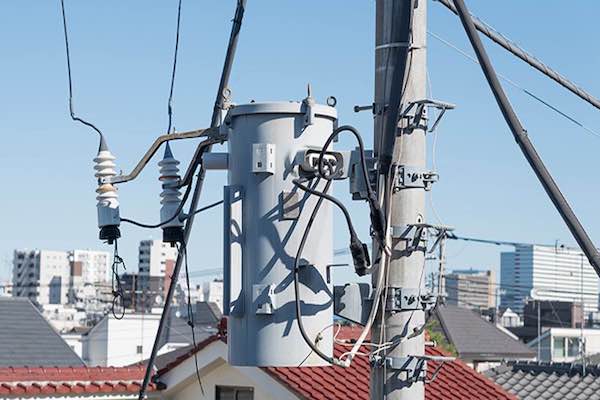
Industrial selection depends on voltage class, load type, and insulation design limits. Engineers evaluate thermal rise, impedance balance, and core material performance. A proper system must ensure phase symmetry under both light and heavy loads. The configuration 3 single phase transformer to make 3 phase is widely used in distributed industrial networks. Electrical matching between units prevents circulating currents and efficiency loss. Rated power must be equal across all units to avoid imbalance. Cooling method selection also influences operational stability in long duty cycles. Environmental conditions such as humidity and dust affect insulation aging. Correct selection improves system reliability and reduces long-term maintenance cost. Mechanical mounting strength also plays a critical role in vibration control.
System Design Principles of 3 single phase transformer to make 3 phase
System architecture focuses on phase displacement, vector grouping, and load synchronization. Delta and star connections define voltage transformation behavior across circuits. Engineers often evaluate harmonic distortion levels during design stages. The 3 single phase transformer to make 3 phase configuration requires precise vector alignment for stable output. In high capacity plants, systems may integrate units similar to a 110 kv oil-immersed power transformer for upstream distribution stability. Phase shift control ensures consistent sinusoidal waveform delivery. Magnetic flux balance reduces overheating risk during peak load cycles. Proper grounding design improves fault tolerance and safety margins. System modeling also includes transient response simulation for switching events. These principles ensure long-term operational efficiency in industrial environments.
Electrical Configuration Methods for Industrial Applications
Industrial setups use multiple wiring topologies for phase conversion efficiency. Common configurations include open-delta, closed-delta, and star-delta systems. Each method provides different efficiency and load handling characteristics. The 3 single phase transformer to make 3 phase arrangement supports flexible installation in modular power systems. Open-delta configuration reduces cost but limits capacity output. Closed-delta improves load balance and harmonic suppression. Star-delta systems provide better neutral stability for mixed loads.
| Configuration Type | Efficiency Level | Typical Application |
|---|---|---|
| Open Delta | Moderate | Light industrial loads |
| Closed Delta | High | Heavy manufacturing systems |
Proper selection improves energy distribution across phases. Engineers must evaluate load variation before final design approval.
Installation and Safety Considerations in Industrial Power Systems
Safe installation requires strict adherence to grounding and insulation standards defined in IEC 60076 transformer rules and IEEE C57.12 safety practices. Cable sizing must match full load current to prevent overheating and insulation breakdown under thermal stress. Protective relays such as overcurrent and differential protection detect faults and isolate affected circuits quickly. The 3 single phase transformer to make 3 phase system requires balanced mounting to reduce vibration stress and mechanical resonance. In medium voltage distribution, equipment like a 35 kv oil-immersed transformer is often used for stable step-down operations. Cooling clearance must remain unobstructed for thermal efficiency and oil circulation performance. Surge protection devices reduce lightning and switching transients in accordance with IEC 61643 standards. Proper labeling ensures maintenance safety during system inspection and lockout procedures.
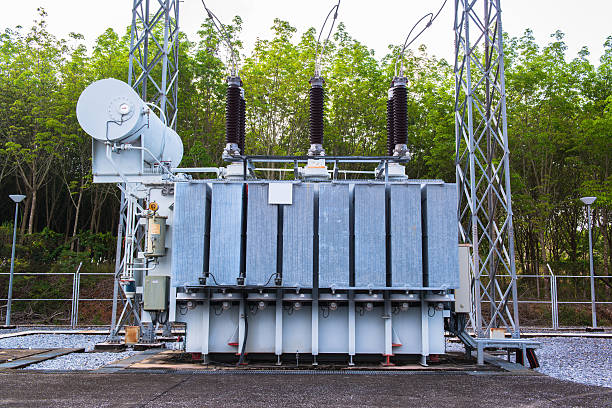
Installation teams must follow IEC and IEEE compliance guidelines for grounding resistance, insulation coordination, and fault protection coordination studies. Mechanical alignment also prevents core stress and long-term insulation damage.
Performance Comparison and Loss Analysis in Three Phase Conversion Systems
Performance evaluation focuses on copper loss, iron loss, and efficiency ratio. Load imbalance increases energy dissipation across windings. The 3 single phase transformer to make 3 phase setup must maintain equal impedance values. Thermal performance directly impacts insulation lifespan and system reliability. Engineers measure efficiency under 25 percent, 50 percent, and full load conditions. Core material quality determines hysteresis loss levels. High-grade silicon steel reduces energy waste significantly. Cooling system design influences steady-state temperature control. Comparative testing shows that balanced configurations outperform mismatched units. Long-term operational cost depends on energy loss reduction strategies. Proper maintenance scheduling further improves performance stability.
Practical Engineering Guidelines for Industrial Deployment
Field deployment requires careful planning of space, ventilation, and load access. Electrical engineers calculate fault current levels before installation. The 3 single phase transformer to make 3 phase configuration must align with upstream grid capacity. Cable routing should minimize electromagnetic interference between phases. Load forecasting ensures stable long-term performance. Installation brackets must support full mechanical weight safely. Environmental protection enclosures reduce dust and moisture impact. Commissioning tests validate voltage stability and phase sequence accuracy.
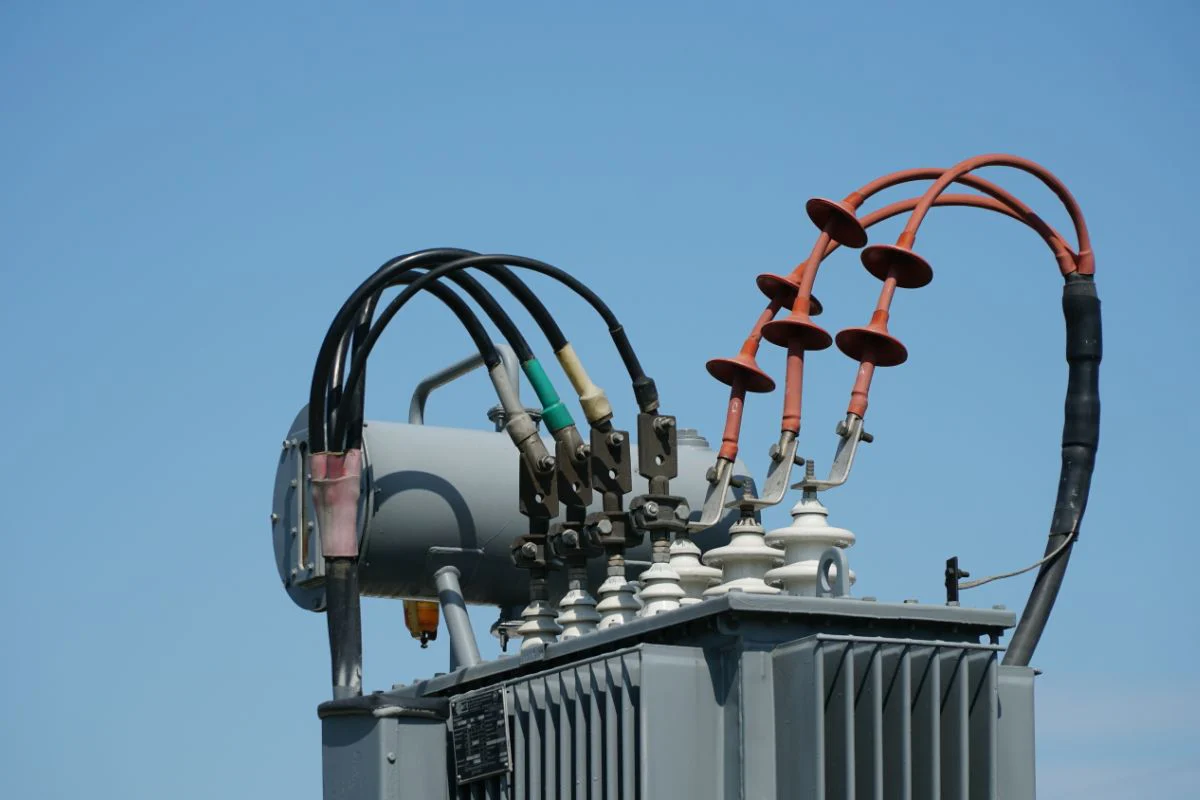
Real-time monitoring systems improve operational control. Predictive maintenance reduces unexpected shutdown risks. Proper engineering design extends equipment lifespan and improves return on investment.
3 single phase transformer to make 3 phase Maintenance and Optimization Strategies
Maintenance strategies focus on thermal monitoring, insulation testing, and vibration analysis. Regular oil sampling detects contamination and dielectric degradation early. This system requires periodic load balancing checks. Tightening electrical terminals prevents resistive heating issues. Cooling fan inspection ensures stable heat dissipation performance. Predictive diagnostics help identify early-stage faults before failure occurs. Insulation resistance testing improves safety assurance in long-term operation. Digital monitoring systems track load fluctuations continuously. Maintenance scheduling should align with operational downtime windows. Proper optimization reduces energy loss and extends equipment service life.
FAQ
What is the main advantage of using 3 single phase transformer to make 3 phase in industry?
The main advantage is flexible installation in distributed power systems. Industries often use this setup where three phase supply is not directly available. It allows independent unit replacement without shutting down the entire system. Load balancing becomes easier when each phase is controlled separately. Maintenance cost also decreases due to modular structure. Engineers can scale power capacity by adding additional units. This system improves reliability in remote industrial locations. It also supports different voltage requirements across production equipment. Operational continuity remains stable even during partial failures. This makes it suitable for manufacturing and infrastructure applications.
How do you properly size 3 single phase transformer to make 3 phase systems?
Proper sizing starts with total load calculation in kilovolt-amperes. Each transformer must share equal load distribution across phases. Safety margin is added to handle peak demand conditions. The 3 single phase transformer to make 3 phase system requires identical rated capacity units. Voltage compatibility between primary and secondary sides must match system design. Thermal limits must also be considered during continuous operation. Engineers evaluate future expansion requirements before final sizing. Short circuit strength determines mechanical durability under fault conditions. Efficiency curves help identify optimal loading range. Proper sizing ensures long-term stability and reduces energy losses.
What are the most common installation mistakes in 3 single phase transformer to make 3 phase setups?
Common mistakes include incorrect phase sequencing and improper grounding connections. Uneven load distribution causes overheating and reduced efficiency. Poor ventilation design leads to thermal stress accumulation. The system often fails when impedance mismatch occurs. Loose terminal connections increase electrical resistance and energy loss. Incorrect vector grouping results in unstable voltage output. Ignoring environmental protection reduces insulation lifespan. Improper cable sizing creates safety hazards under full load. Lack of testing before commissioning increases failure risk. Careful installation planning prevents most operational issues.