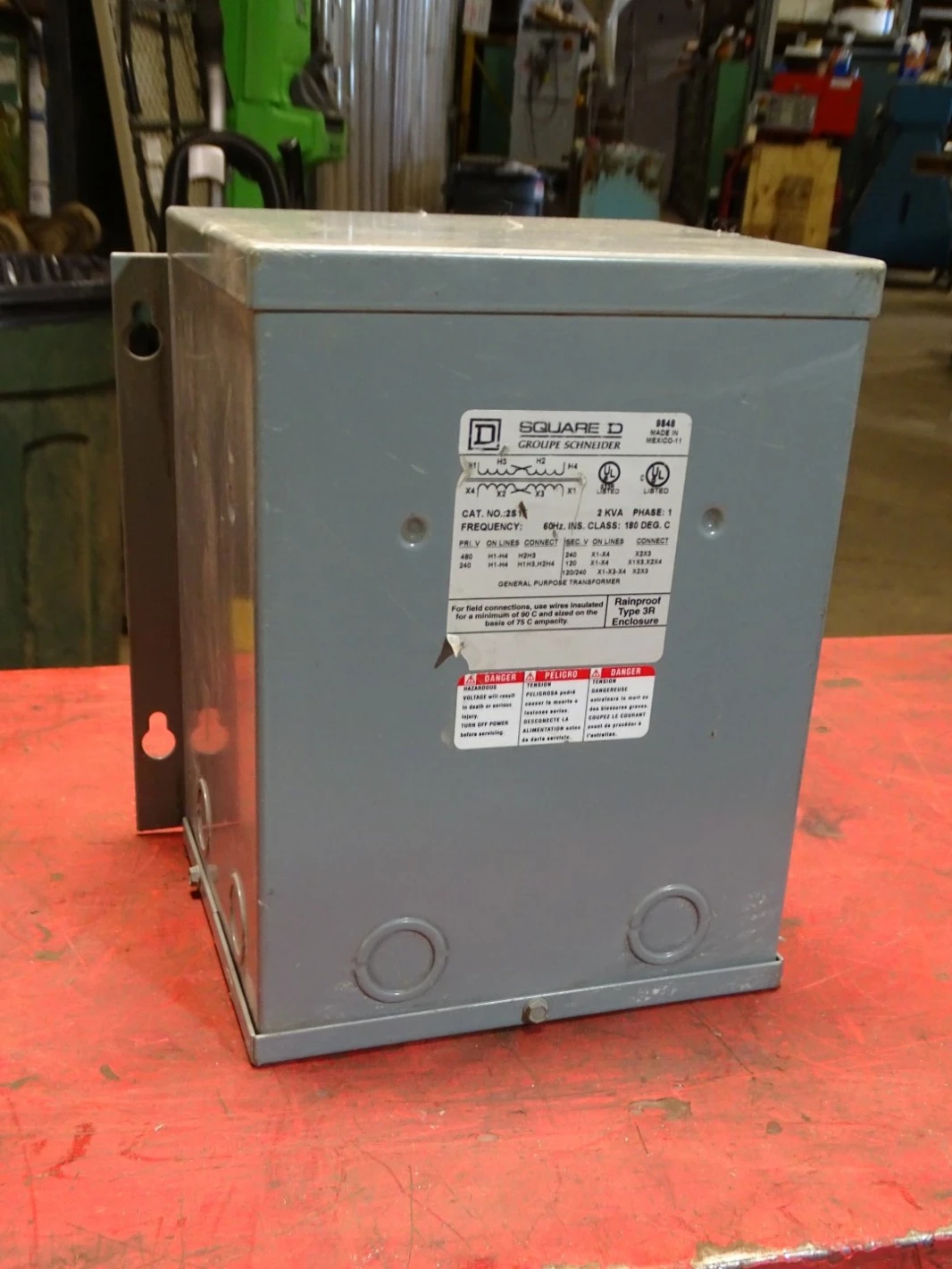
How To Choose Single Phase 480 To 120/240 Transformer?
-
Single phase 480 to 120/240 transformer supports industrial voltage conversion, load control, efficiency and installation practices.
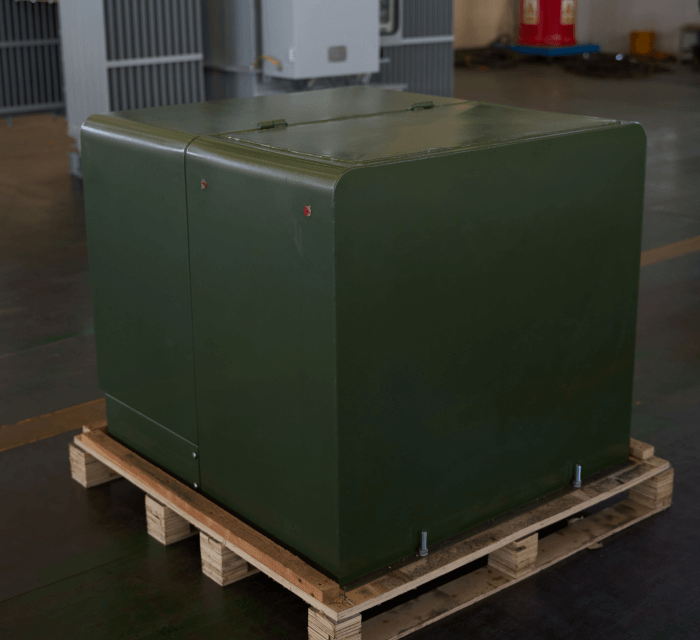
Industrial facilities depend on stable voltage conversion to ensure safe and continuous operation across production environments. A single phase 480 to 120/240 transformer is commonly applied to link high voltage supply systems with low voltage control circuits. Engineers choose this equipment to maintain compatibility between distribution levels and end-use machinery. Proper sizing enhances electrical stability and reduces thermal stress during extended operating cycles. Selection must account for load behavior, environmental conditions, and efficiency targets. Oversized systems raise costs while undersized systems increase overheating risk. Large infrastructure planning often compares similar distribution principles with high-capacity equipment such as 110 kv oil-immersed power transformer to analyze voltage scaling logic in broader networks.
Load Assessment Principles for Industrial Electrical Systems
Accurate load assessment is essential for safe electrical design in industrial environments. Electrical demand is divided into inductive and resistive categories based on load behavior. Inductive equipment such as motors creates high inrush current during startup, which directly affects system sizing decisions. Resistive loads require stable voltage with minimal fluctuation. Equipment like a single phase 480 to 120/240 transformer must handle both steady-state and peak conditions effectively. Engineers apply safety margins to ensure stable operation under maximum demand scenarios. Incorrect load estimation increases heat generation and reduces insulation lifespan. Proper load planning improves energy efficiency and ensures long-term operational stability across industrial systems.
Structural and Electrical Design Characteristics
Voltage conversion equipment operates through electromagnetic induction between primary and secondary windings. Capacity rating defines maximum safe load under continuous operation conditions. Insulation class determines thermal resistance and long-term durability under elevated temperature environments. Copper winding design improves efficiency by reducing resistive losses during energy transfer. Core structure influences magnetic flux stability and voltage regulation accuracy. Proper impedance control ensures stable output under varying load conditions.
Medium voltage systems such as 66 kv oil-immersed power transformer follow similar electromagnetic principles at larger scale distribution levels. Structural optimization reduces energy loss and improves operational reliability in industrial environments.
Electrical Conversion Mechanism in Industrial Power Systems
Electrical energy conversion occurs through controlled magnetic flux transfer between windings. High voltage input is supplied to the primary coil from industrial distribution networks. Energy is transferred to the secondary coil through electromagnetic induction. Voltage is reduced to usable levels for control systems and auxiliary equipment. Efficiency depends on core material quality and winding precision during manufacturing. Energy losses occur due to conductor resistance and magnetic hysteresis effects. A single phase 480 to 120/240 transformer must minimize these losses to maintain stable performance. Impedance regulation ensures consistent output voltage under fluctuating load conditions. Thermal control plays a critical role in maintaining long-term reliability.
Selection Standards for Industrial Power Distribution Equipment
Industrial selection standards ensure safe and efficient operation of electrical conversion systems. Duty cycle evaluation determines whether equipment can handle continuous or intermittent loads. Environmental conditions such as humidity, dust, and temperature affect insulation and cooling performance. Equipment must comply with electrical safety regulations and industrial standards. Enclosure design provides protection against external contamination and mechanical damage. Incorrect selection increases risk of overheating and system failure. Engineers must balance performance, cost, and long-term reliability. A single phase 480 to 120/240 transformer must also ensure compatibility with connected machinery to maintain stable voltage distribution across industrial systems.
Technical Performance Evaluation and Single phase 480 To 120/240 Transformer System Behavior
Technical performance analysis is essential for correct equipment selection in industrial applications. Capacity rating defines maximum load handling ability under steady operation conditions. Temperature rise limits determine safe operating boundaries during continuous use. Impedance percentage affects voltage regulation and fault current behavior. Properly designed systems reduce energy loss and improve efficiency. Insulation quality ensures stability under thermal and electrical stress conditions. Engineers analyze performance curves to evaluate efficiency across different load levels. Mechanical structure also affects vibration resistance and durability. A single phase 480 to 120/240 transformer must maintain stable performance under varying industrial load conditions.
| Parameter | Description | Operational Impact |
|---|---|---|
| Capacity Rating | Maximum load capability | Prevents overload conditions |
| Insulation Class | Thermal resistance level | Improves heat durability |
| Core Material | Magnetic steel structure | Reduces energy loss |
Performance Optimization Strategies in Industrial Systems
Performance optimization improves efficiency and reliability in electrical systems. Load balancing reduces stress on windings and improves distribution stability. Harmonic distortion control enhances waveform quality and reduces electrical noise. Monitoring systems detect abnormal temperature rise and voltage fluctuations. Energy efficiency increases when copper and core losses are minimized. Regular maintenance ensures stable long-term operation under continuous load conditions. Optimization strategies help extend equipment lifespan. A single phase 480 to 120/240 transformer benefits from proper load distribution and thermal management to maintain stable industrial performance.
Economic Efficiency and Lifecycle Value Analysis
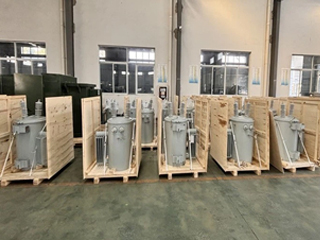
Economic evaluation includes both initial investment and long-term operational cost. Equipment cost depends on capacity rating, material quality, and design complexity. Maintenance requirements vary based on environmental and load conditions. Energy efficiency improvements reduce long-term operating expenses. Lifecycle analysis helps determine replacement timing and investment planning. Efficient system design improves return on investment by reducing downtime and energy waste. A single phase 480 to 120/240 transformer provides long-term value when properly selected and maintained in industrial applications.
Industrial Application Scope and Functional Integration
Industrial automation, manufacturing, and control environments widely use voltage conversion systems applications today. They provide stable power for auxiliary systems and sensitive equipment. HVAC systems rely on consistent voltage supply for uninterrupted operation. Production lines depend on stable electrical performance for precision control. Auxiliary circuits require reliable energy conversion to maintain system continuity. A single phase 480 to 120/240 transformer ensures compatibility between power distribution and operational equipment. This makes it an essential component in modern industrial electrical infrastructure.
FAQ
What load capacity should I consider when selecting a transformer?
Load capacity selection depends on total connected equipment demand and startup current behavior. Engineers calculate peak and continuous load requirements before determining system rating.
Safety margins are applied to ensure stable operation under varying conditions. Undersizing increases overheating risk while oversizing reduces efficiency. Proper load estimation ensures long-term reliability and stable voltage performance. Load diversity factors are also considered to improve accuracy and prevent imbalance in industrial systems.
How does temperature affect transformer performance?
Temperature directly impacts insulation lifespan and electrical efficiency. High operating temperature accelerates material aging inside windings and core structures. Effective cooling systems are required to maintain stable performance. Excess heat reduces voltage regulation accuracy and increases failure risk. Ambient temperature influences load-handling capability during operation. Thermal monitoring helps prevent unexpected shutdowns. Proper ventilation and heat dissipation design ensure stable long-term performance and improve industrial reliability.
What are the common installation mistakes to avoid?
Common installation mistakes include improper grounding, incorrect wiring, and insufficient ventilation. Protective devices must be correctly matched to system load requirements. Poor grounding increases electrical hazard risks and system instability. Incorrect breaker selection reduces fault protection effectiveness. Lack of commissioning tests may leave hidden defects. Mechanical instability can introduce vibration stress and structural damage. Proper installation procedures ensure safe operation, stable voltage output, and long-term reliability in industrial applications.