
What Is A 15 kVA Single Phase Transformer Used For?
-
15 kVA single phase transformer applications structure efficiency and installation insights for industrial and commercial systems.
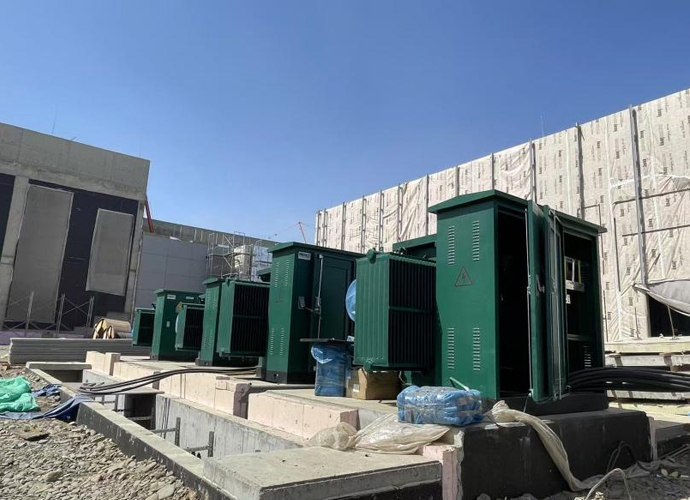
The 15 kVA single phase transformer plays a critical role in small power distribution networks. It delivers stable voltage conversion for light industrial and commercial systems. Electrical designers rely on compact transformers for controlled energy delivery. These units support consistent performance in environments with moderate load demand. They reduce electrical instability in sensitive equipment. Engineers often choose them for distributed auxiliary systems. The design supports safe isolation between input and output circuits. Proper voltage regulation improves equipment lifespan. Compact construction simplifies installation in tight spaces. Energy efficiency remains stable under normal operating loads. This type of transformer supports predictable electrical behavior in modern infrastructure.
Definition and Electrical Role in Low Voltage Networks
A 15 kVA single phase transformer is designed for controlled voltage transformation in single phase systems. The 15 kVA single phase transformer operates at a rated capacity suitable for moderate electrical loads. It adjusts voltage levels between supply and consumption points. Electrical engineers use it in distribution panels and auxiliary circuits. The device ensures compatibility between different electrical devices. It improves system stability under varying load conditions. Copper windings and magnetic cores enable efficient energy transfer. Electrical isolation enhances operational safety. It is widely used in compact electrical infrastructures. The transformer reduces risk of overload damage. Its predictable performance supports industrial planning. It is essential in stable low power networks.
Electromagnetic Conversion and Operating Principle
Electrical energy conversion relies on electromagnetic induction. Alternating current in the primary coil generates magnetic flux. This flux induces voltage in the secondary coil. Energy transfer occurs without physical contact between windings. The process ensures electrical isolation and safety. Core materials guide magnetic flow efficiently. Laminated steel reduces eddy current losses. Frequency remains constant during transformation. Voltage ratio depends on coil winding structure. Engineers optimize coil geometry for efficiency. Thermal behavior is controlled through design. Stable magnetic coupling ensures reliable output. The system responds dynamically to load changes. This principle supports consistent energy delivery in distributed systems.
Internal Structure and Engineering Materials
Transformer construction includes core, windings, insulation, and housing. Copper windings provide high conductivity and low resistance. The magnetic core supports efficient flux transfer. Insulation materials prevent electrical breakdown. The enclosure protects internal components from environmental damage. Cooling systems maintain thermal stability. Mechanical design reduces vibration impact. Precision winding improves voltage accuracy. Terminal connections ensure stable electrical integration.
Engineers use laminated steel for reduced energy loss. Thermal varnish improves insulation durability. Structural integrity supports long service life. Compact layout simplifies installation in control systems. Material selection directly affects performance reliability.
Electrical Ratings and Operational Performance Data
Electrical performance depends on voltage, frequency, and load capacity. Rated power defines maximum safe operation. Efficiency improves near optimal load conditions. Frequency compatibility ensures system integration. Voltage regulation maintains output stability. Thermal limits define safe operating boundaries. Power factor influences energy consumption. Insulation rating ensures electrical safety. Surge tolerance protects against fluctuations. Load variation affects performance consistency. Engineers evaluate parameters before installation. Environmental temperature impacts efficiency. System protection devices enhance reliability. Proper configuration improves operational lifespan.
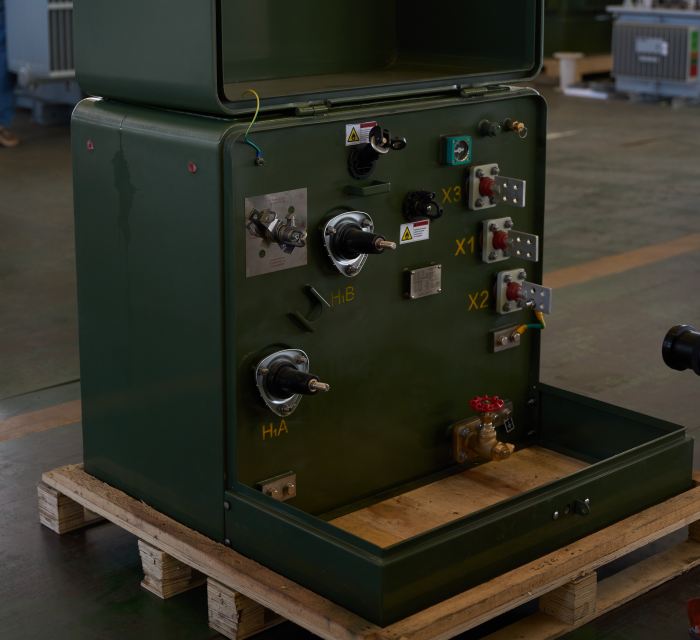
| Parameter | Standard Value | Function |
|---|---|---|
| Rated Capacity | 15 kVA | Defines load limit |
| Frequency | 50/60 Hz | System compatibility |
| Efficiency | 94–96% | Energy optimization |
Performance Interpretation and System Behavior
Electrical parameters directly affect system behavior. Voltage regulation ensures stable output delivery. Efficiency determines energy savings. Load balance prevents overheating conditions. Thermal performance influences long-term reliability. Engineers monitor operational data continuously. System stability improves under proper load control. Electrical noise remains minimal in optimized systems. Protective devices enhance operational safety. Parameter alignment ensures system compatibility. Proper design reduces failure risk. Maintenance planning depends on performance data. Industrial systems benefit from stable electrical behavior.
Industrial Use Cases in Manufacturing and Automation
The 15 kVA single phase transformer supports small industrial operations. The 15 kVA single phase transformer is widely used in automation systems. It powers control panels and auxiliary machinery. Manufacturing tools require stable voltage input. It supports conveyor systems and testing equipment. Small CNC machines rely on regulated power supply. Workshops use it for lighting and motor control. It improves electrical stability in production lines. Engineers install it in compact factory environments. Energy distribution becomes more efficient. Operational downtime is reduced significantly. It supports flexible industrial layouts. Electrical consistency improves productivity.
Commercial and Residential Energy Applications
This transformer is also used in commercial environments. Offices depend on stable voltage for equipment. Retail systems require uninterrupted power supply. Residential backup systems use compact transformers. It supports lighting and HVAC systems. Electrical isolation improves safety in buildings. Compact design allows easy installation. Energy distribution becomes more controlled.
Voltage fluctuation is minimized effectively. It integrates with building power systems. Maintenance requirements remain low. Electrical efficiency supports cost reduction. It ensures stable daily operations in commercial environments.
Advantages of Compact Single Phase Transformer Systems
Compact transformers provide multiple operational benefits. The 15 kVA single phase transformer ensures stable voltage delivery. It reduces installation complexity in limited spaces. Energy efficiency lowers operational cost. Maintenance requirements remain minimal. Electrical safety improves system reliability. Compact size supports flexible installation. Load handling remains stable under normal conditions. Noise levels are relatively low. Heat dissipation is well controlled. System integration becomes easier for engineers. Operational consistency improves performance quality. Cost efficiency supports industrial adoption. Reliability enhances long-term usage.
Key Advantages List
- Stable voltage regulation under variable load
- Compact and space-efficient structure
- Low maintenance requirements
- High operational efficiency
- Improved electrical safety
Engineering Value and System Contribution
Each advantage improves system performance. Voltage stability protects sensitive equipment. Compact structure supports modular design. Efficiency reduces energy waste. Maintenance reduction lowers operational costs. Safety features prevent electrical hazards. Engineers prefer predictable performance systems. Industrial reliability improves significantly. Commercial systems benefit from reduced downtime. Energy management becomes more effective. Overall system value increases through optimization.
Design Limitations and Engineering Constraints
The transformer has defined operational limits. Overloading reduces performance efficiency. Thermal stress increases under excessive demand. Voltage drop may occur under unstable loads. Cooling capacity restricts continuous overload operation. Installation conditions affect reliability. Environmental temperature impacts efficiency. Space constraints limit ventilation. It is not suitable for heavy industrial systems. Electrical imbalance reduces lifespan. Proper load calculation is essential. Engineering design ensures safe operation boundaries.
A 35 kv oil-immersed transformer is typically used in high-voltage transmission networks. It supports large-scale energy distribution systems with greater load capacity.
Efficiency Behavior and Energy Loss Mechanisms
Transformer efficiency depends on core and copper losses. Core losses occur due to magnetic hysteresis. Copper losses result from winding resistance. Load conditions influence efficiency levels. Peak efficiency occurs near rated load. Heat generation affects system stability. Cooling systems improve thermal performance. Material quality impacts energy loss. Engineers optimize design for efficiency. Load management reduces energy waste. Operational conditions affect output consistency. System optimization improves long-term performance.
A 10 kv oil-immersed transformer is commonly used in medium voltage distribution networks. It ensures stable power supply in urban and industrial areas.
Installation Procedures and Electrical Safety Standards
Proper installation ensures safe transformer operation. Grounding is required for electrical safety. Wiring must follow engineering standards. Protective devices prevent overload damage. Circuit breakers enhance system protection. Insulation testing ensures reliability. Load verification confirms operational stability. Ventilation improves cooling efficiency. Cable sizing must match load demand. Environmental protection reduces risk factors. Engineers inspect connections before activation. Safety compliance improves system reliability.
Maintenance Practices and Long-Term Performance Stability
Regular maintenance ensures operational reliability. Cooling systems require periodic inspection. Electrical connections must remain secure. Dust accumulation should be controlled. Insulation testing prevents failure risks. Load monitoring improves system health. Temperature checks ensure safe operation. Preventive maintenance reduces downtime. Engineers schedule routine inspections. Component wear must be monitored. Thermal performance affects lifespan. Proper maintenance ensures stable long-term operation.
FAQ
What Load Can a 15 kVA Single Phase Transformer Support?
A 15 kVA single phase transformer supports moderate electrical loads suitable for small industrial and commercial systems. The usable power depends on power factor and efficiency. Typically, it delivers around 12 kW of real power under optimal conditions. Engineers recommend operating below full capacity for safety margin. Resistive loads are easier to manage than inductive loads. Overloading increases heat and reduces lifespan.
Load distribution must be carefully planned. Continuous monitoring ensures stable performance. Proper sizing improves reliability in real applications. Electrical safety depends on correct system design and load management practices.